


Eco-friendly packaging solutions for small business commonly include options like recycled cardboard boxes, biodegradable mailers, and sustainable void fill materials. Available market data suggests these sustainable alternatives typically cost moderately more than traditional packaging while potentially reducing environmental impact and may contribute to enhanced brand reputation among environmentally conscious consumers.
| Solution Type | Typical Cost Premium | Implementation Difficulty |
|---|---|---|
| Recycled Cardboard | 5-15% additional | Very Easy |
| Biodegradable Mailers | 50-80% additional | Easy |
| Cornstarch Peanuts | 30-50% additional | Easy |
*Verify current pricing and availability with suppliers
Understanding Eco-Friendly Packaging Solutions for Small Business
Eco-friendly packaging solutions for small business commonly involve sustainable alternatives to traditional packaging materials that may reduce environmental impact while maintaining product protection. Available guidance suggests the global biodegradable packaging market is experiencing growth, indicating increasing consumer interest in sustainable options.
User surveys commonly indicate that many consumers may prefer brands that demonstrate environmental responsibility, though individual purchasing decisions vary based on multiple factors including price, convenience, and personal values.
Platform documentation suggests that eco-friendly packaging solutions for small business may offer opportunities for customer retention improvements and premium pricing, though results depend on implementation quality and target market characteristics.*
*Individual business outcomes vary based on market factors and implementation approach
Business Considerations for Sustainable Packaging
Potential Customer Retention Benefits:
- Some businesses report improved customer loyalty with environmental initiatives
- Premium pricing opportunities may exist for eco-conscious positioning
- Marketing advantages through sustainability messaging
- Potential future-proofing against environmental regulations
Cost Structure Considerations:
- Initial investment typically required for sustainable alternatives
- Bulk purchasing may reduce per-unit cost premiums
- Shipping cost changes possible due to weight differences
- Customer satisfaction factors may affect lifetime value
User feedback suggests that eco-friendly packaging solutions for small business work most effectively when chosen strategically to match budget constraints and customer expectations.*
Explore Packaging Options (Supplier comparison and pricing tools included)
7 Eco-Friendly Packaging Solutions for Small Business
1. Recycled Cardboard Shipping Boxes
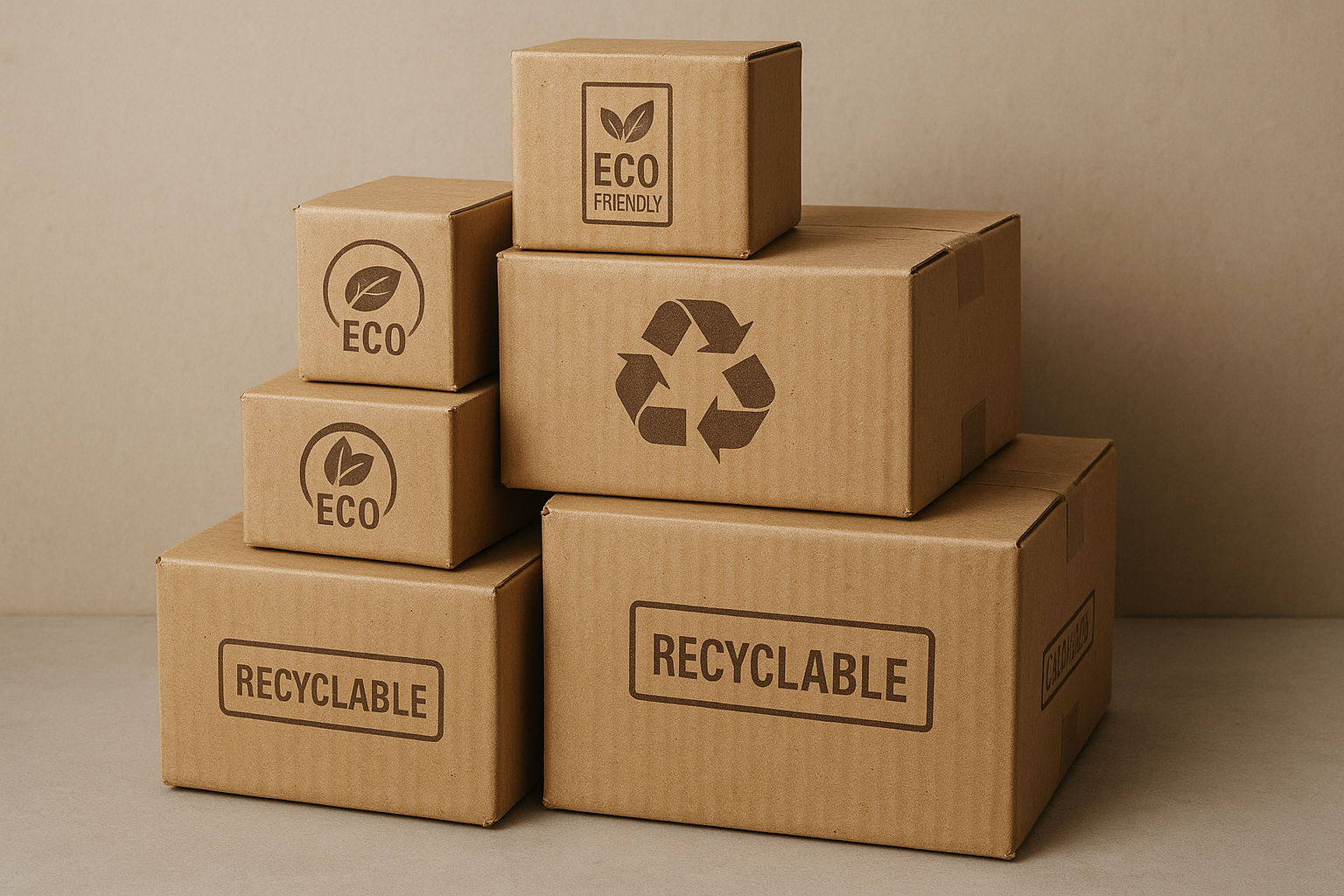
Description: Recycled cardboard boxes commonly use post-consumer recycled content while maintaining structural integrity for shipping protection.
Business Applications:
- Standard shipping for most product types
- Custom branding and printing capabilities
- Various sizing options available
- Municipal recycling program compatibility
Cost Considerations:
- Typically 5-15% more expensive than virgin cardboard
- Bulk purchasing may reduce cost premiums
- Customization options available at additional cost
- Volume discounts commonly offered by suppliers
Implementation Approach: Start with most common shipping sizes to minimize inventory complexity while potentially achieving volume purchasing benefits.
Browse Eco-Friendly Cardboard Boxes
2. Biodegradable Poly Mailers
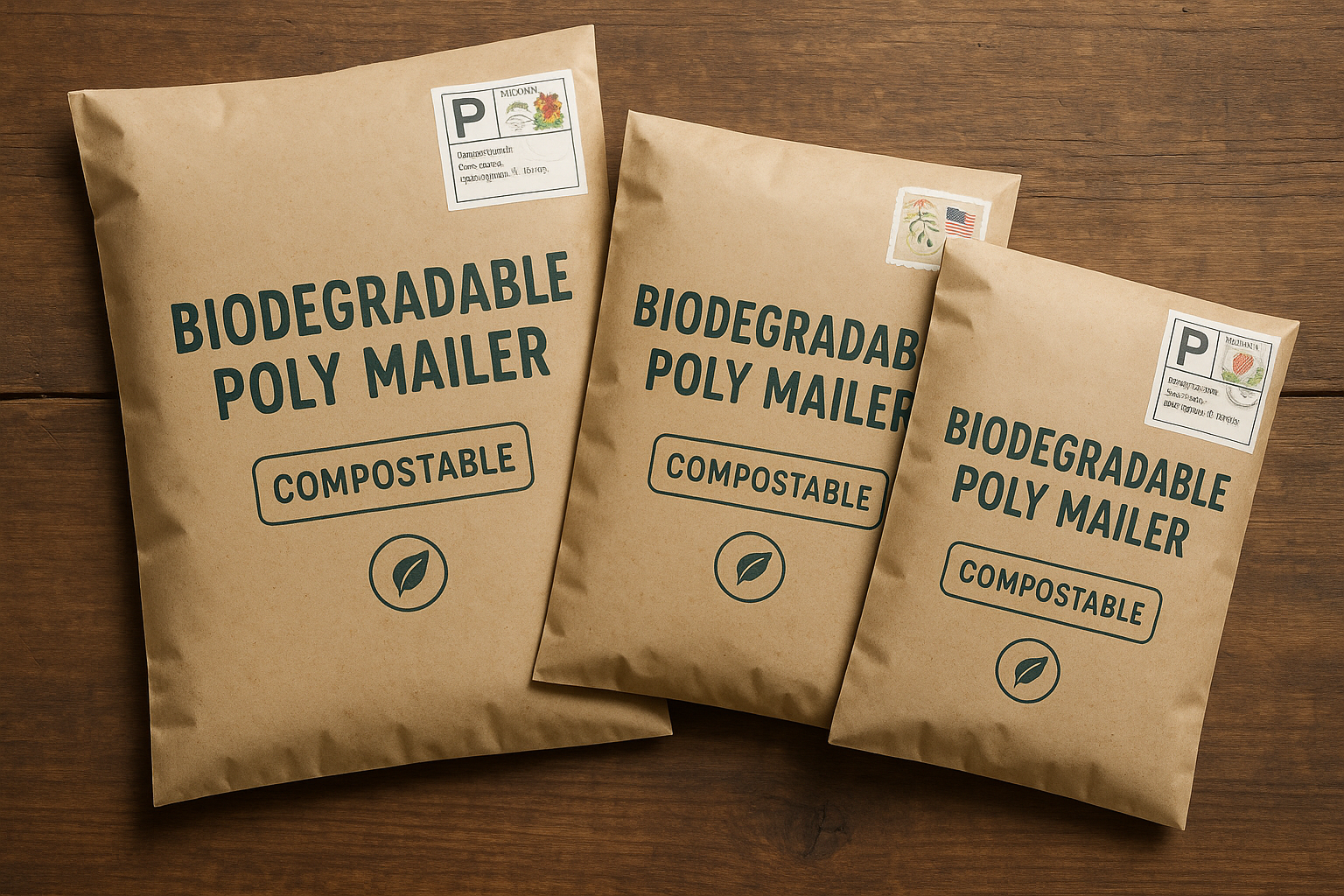
Description: Plant-based mailers that may break down in commercial composting facilities while providing moisture and tear protection.
Potential Benefits:
- Weight reduction compared to cardboard boxes
- Possible shipping cost savings due to lower dimensional weight
- Weather protection capabilities
- Flat storage for space efficiency
Materials commonly used:
- Cornstarch-based polymers
- PLA (polylactic acid) compounds
- Other plant-based materials
Cost Analysis:
- Typically 50-80% more expensive than traditional poly mailers
- Potential shipping cost offset due to weight reduction
- Recommended for lightweight, non-fragile items
Composting Requirements: Most biodegradable mailers require commercial composting facilities and may not break down in home compost systems.*
3. Mushroom-Based Packaging
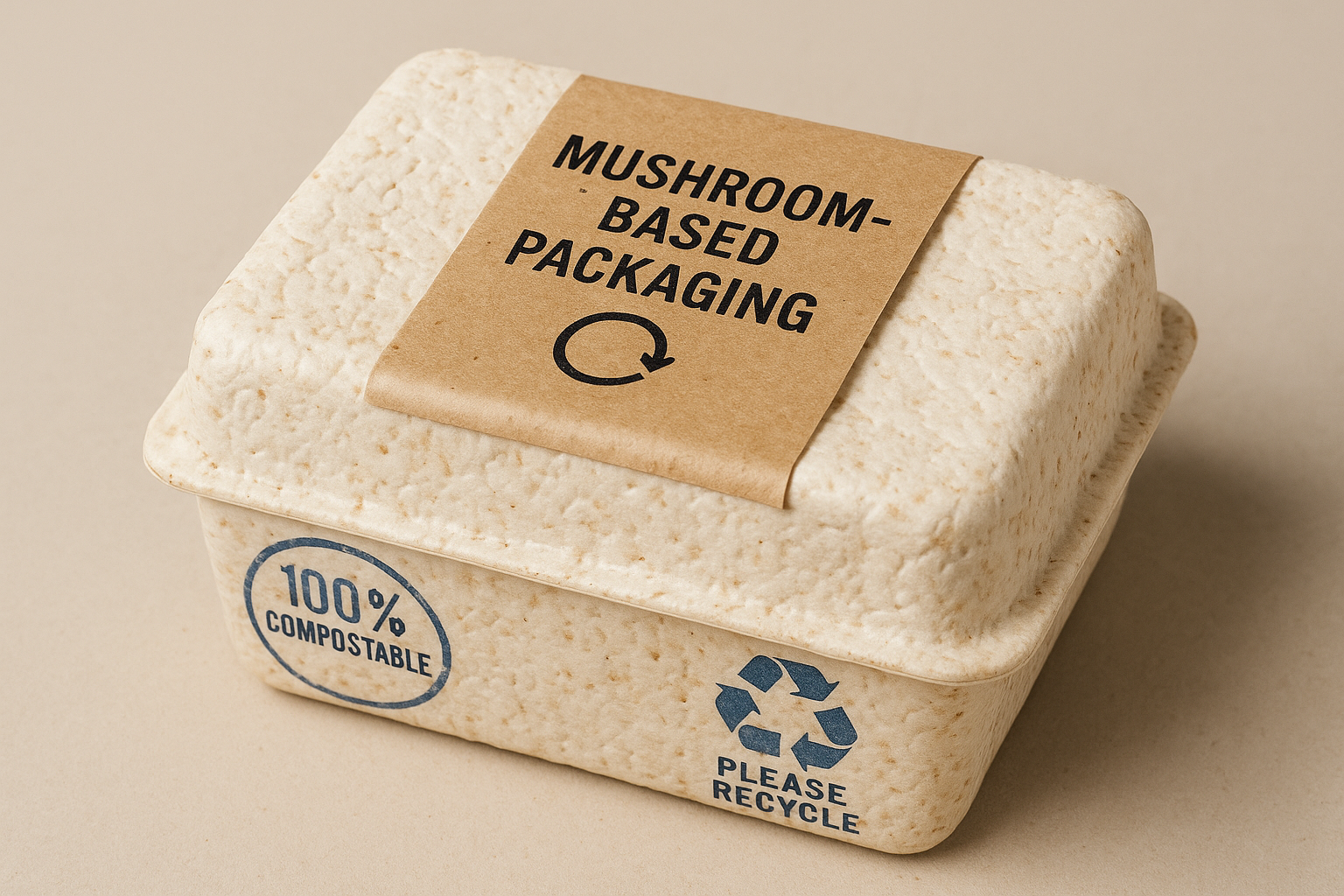
Description: Mycelium-based packaging materials that may provide shock absorption while being compostable in appropriate conditions.
Reported Advantages:
- Custom moldability for specific product shapes
- Natural fire-resistant properties
- Moisture-repelling characteristics
- Home compostability under proper conditions
Typical Applications:
- Electronics and fragile items requiring cushioning
- High-value products where premium packaging supports brand positioning
- Specialty items needing custom-fit protection
Investment Considerations:
- Typically 20-40% higher cost than traditional foam alternatives
- May reduce damage claims and product returns
- Premium positioning opportunity for marketing
Supplier Availability: Limited number of suppliers currently available, requiring advance planning for sourcing.
Access Mushroom Packaging Suppliers
4. Seaweed-Based Wrap Films
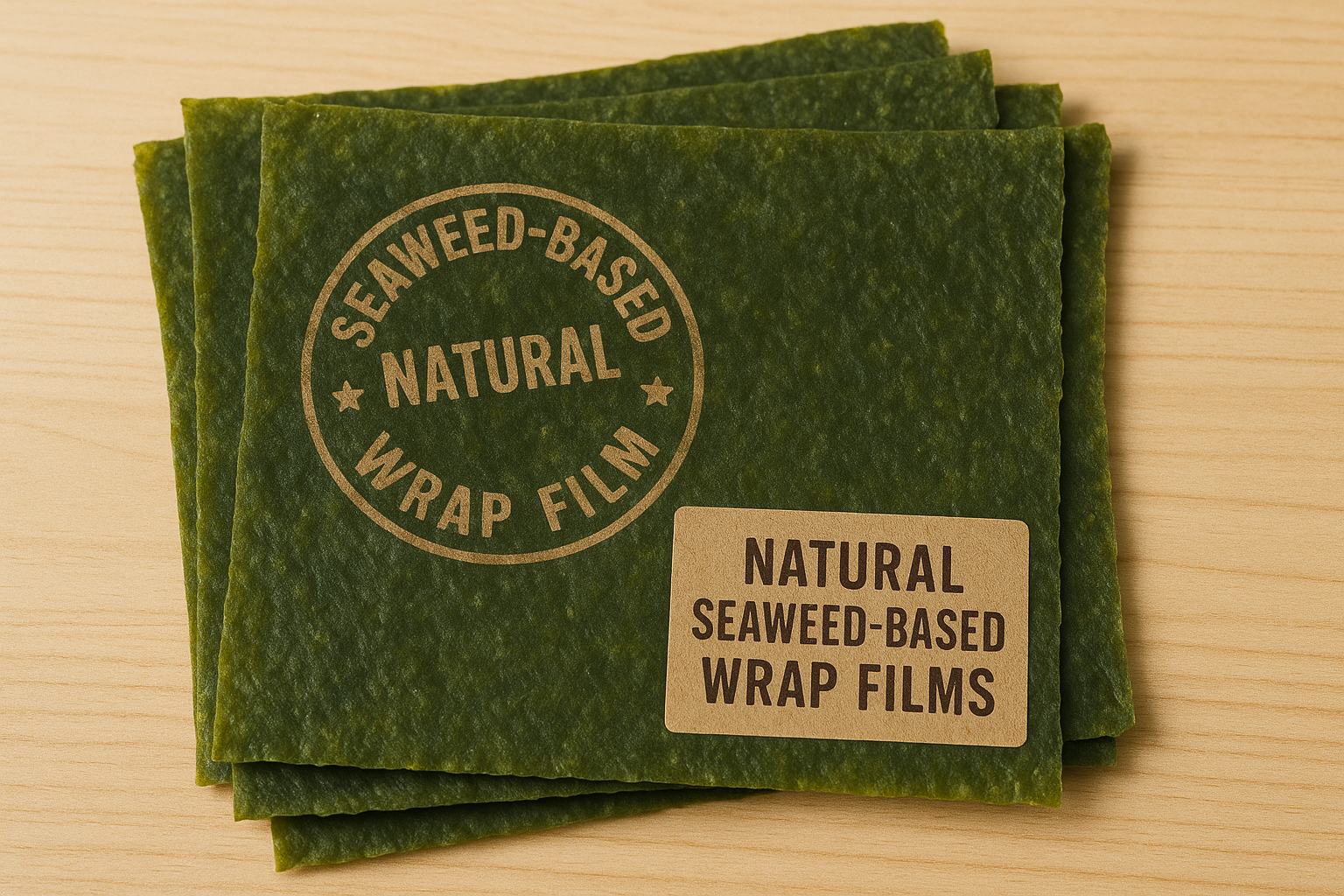
Description: Transparent films made from seaweed that may dissolve in water while providing product protection.
Characteristics commonly reported:
- Water-soluble properties
- Food-safe composition
- Transparent appearance for product visibility
- Renewable resource sourcing
Suitable Applications:
- Food product wrapping where appropriate
- Individual item protection within packages
- Moisture barriers for specific products
- Specialty applications requiring water solubility
Cost Structure:
- Typically 150-200% more expensive than traditional plastic wrap
- Limited suppliers may affect availability and pricing
- Specialized applications rather than general-purpose use
Storage Considerations: Requires controlled humidity conditions to prevent premature breakdown.
Browse Seaweed Packaging Suppliers
5. Cornstarch Packing Peanuts
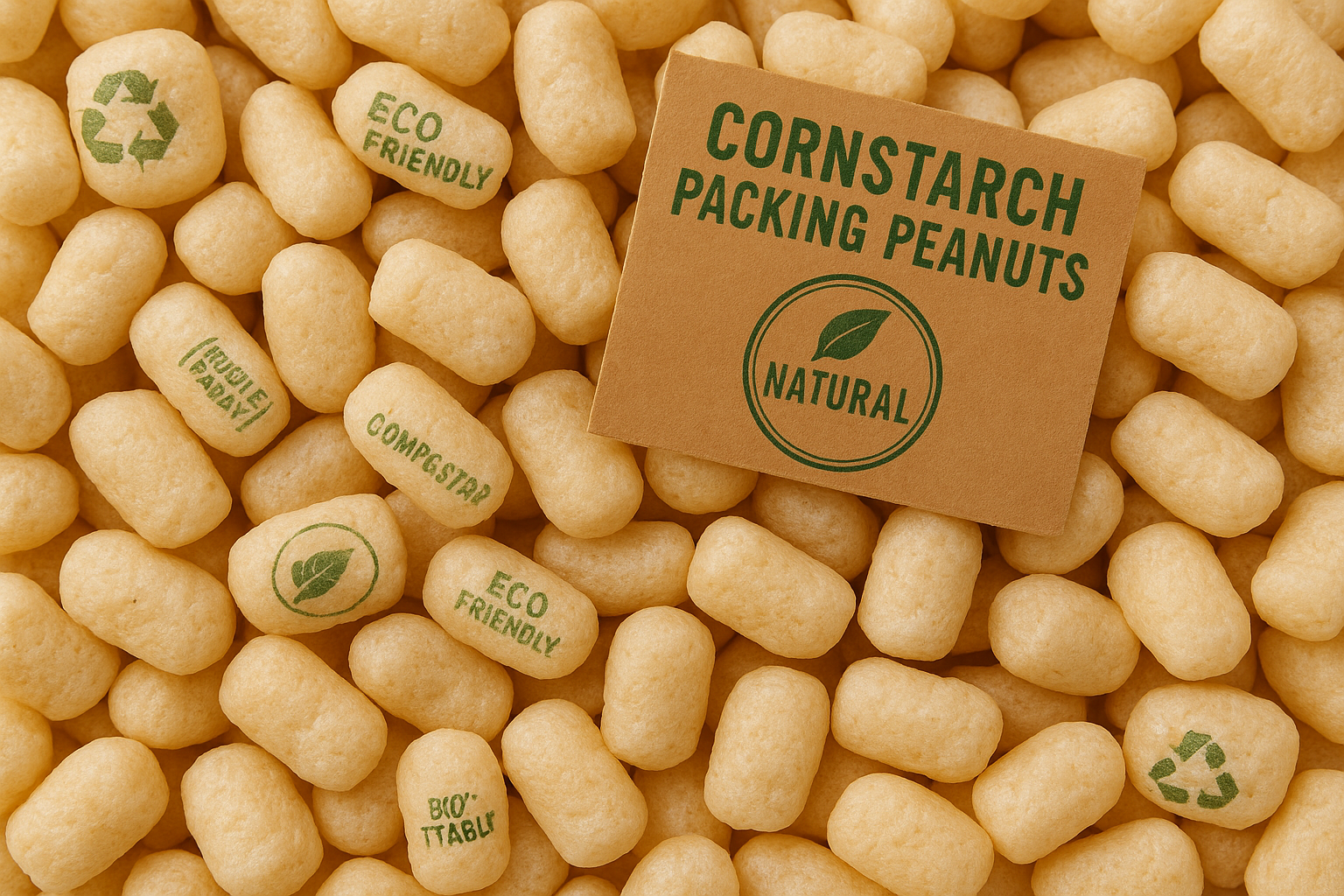
Description: Void fill material made from cornstarch that may dissolve in water while providing cushioning protection.
Performance Characteristics:
- Cushioning capabilities similar to traditional packing peanuts
- Water-soluble disposal option
- Static-free properties
- Pet-safe if accidentally consumed
Environmental Features:
- Home compostable under appropriate conditions
- Dissolves completely in water
- Made from renewable agricultural resources
Economic Comparison:
- Typically 30-50% more expensive than styrofoam alternatives
- May require less volume due to efficient nesting properties
- No special disposal requirements
Usage Efficiency: Some users report needing approximately 20% less volume compared to traditional packing peanuts.
6. Kraft Paper Honeycomb Wrap
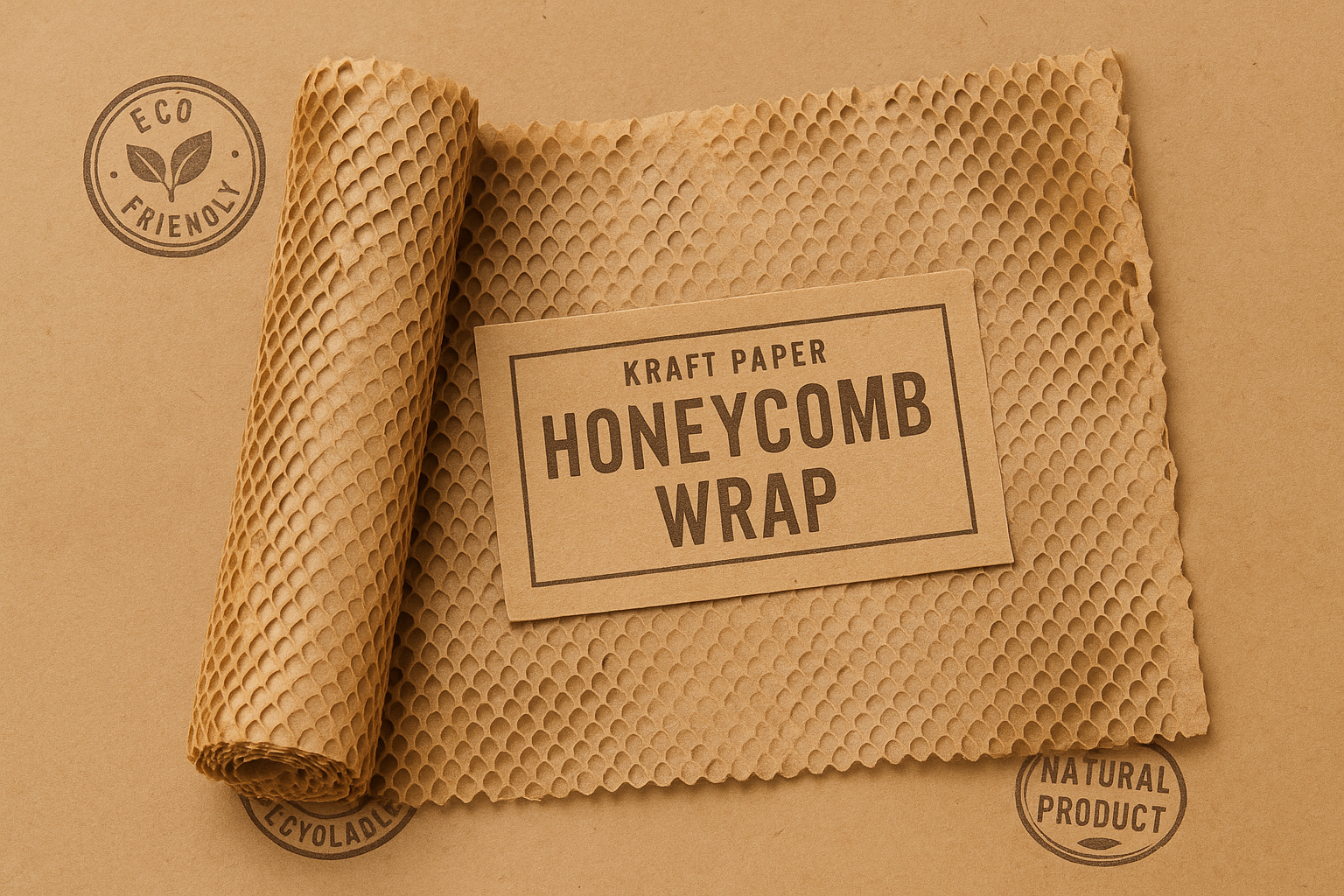
Description: Paper-based protective wrap with honeycomb structure that may provide cushioning while being recyclable.
Design Features:
- Expandable structure accommodates various shapes
- Honeycomb pattern provides shock absorption
- Tear-resistant compared to regular paper
- Compatible with paper recycling streams
Versatile Applications:
- Individual item wrapping within packages
- Void fill for irregular spaces
- Surface protection for larger items
- Interleaving for stacked products
Cost Comparison:
- Typically 25-35% more expensive than bubble wrap
- Paper recycling compatibility may eliminate disposal fees
- Professional appearance suitable for brand presentation
Browse Kraft Paper Honeycomb Wrap Suppliers
7. Recycled Ocean Plastic Mailers
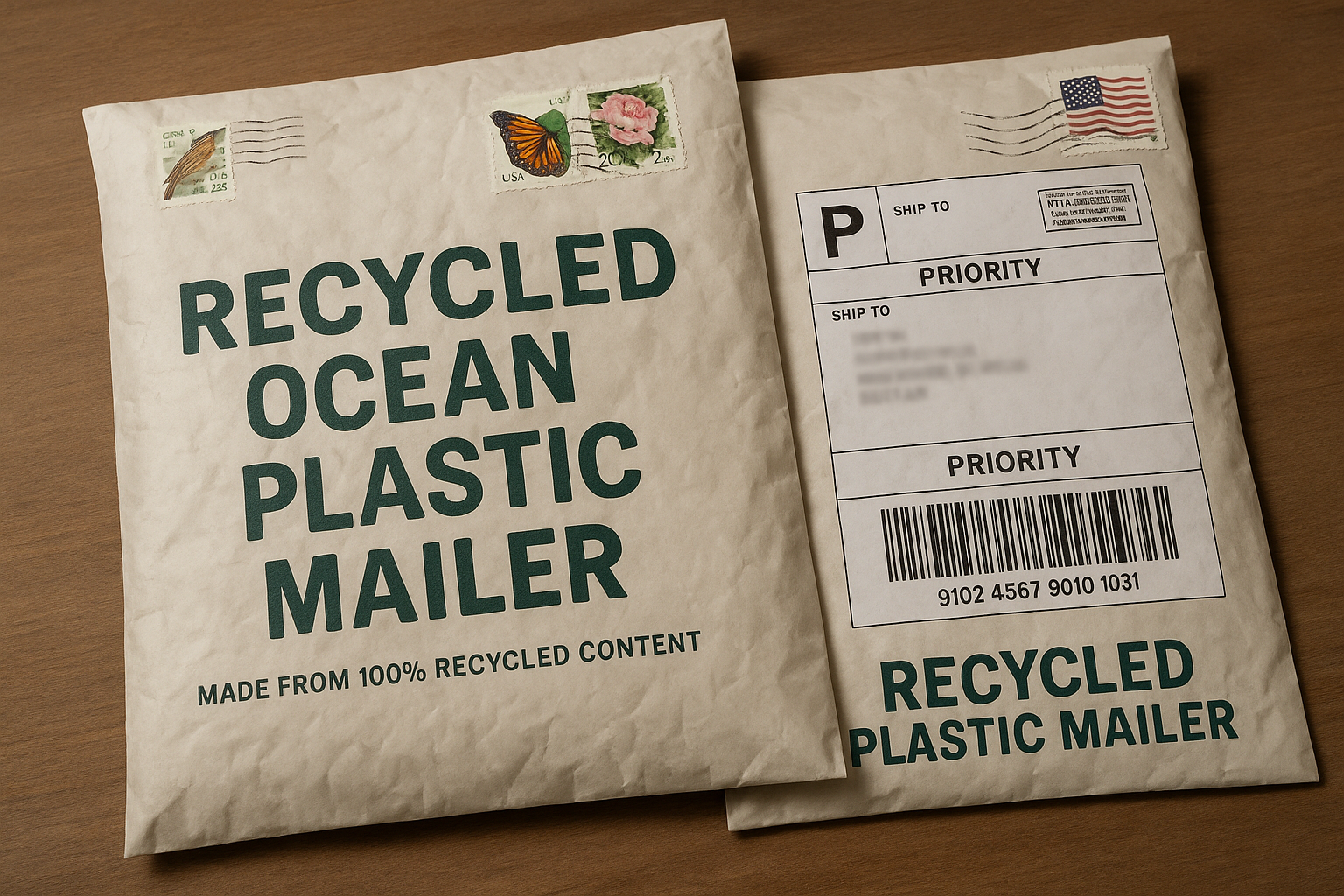
Description: Mailers manufactured from ocean-bound plastic waste that may provide standard shipping protection while supporting waste cleanup efforts.
Environmental Impact Claims:
- May support ocean cleanup initiatives
- Utilizes waste materials that would otherwise enter marine environments
- Supports waste collection communities in developing regions
- Lower carbon footprint compared to virgin plastic production
Marketing Opportunities:
- Environmental storytelling for brand messaging
- Social media content possibilities
- Customer education about ocean conservation
- Sustainability reporting material
Investment Details:
- Typically 75-100% more expensive than standard poly mailers
- Environmental story value for marketing purposes
- Limited supplier base currently available
*Verify environmental claims and certifications with suppliers
Implementation Strategy for Eco-Friendly Packaging Solutions for Small Business
Phase 1: Assessment and Planning (Week 1)
Current State Analysis:
- Document existing packaging costs and usage patterns
- Identify top shipping scenarios by volume and frequency
- Survey customer preferences regarding sustainability
- Calculate budget available for packaging improvements
Phase 2: Testing and Validation (Week 2)
Sample Testing Process:
- Order small quantities of selected solutions for testing
- Test protection capabilities with actual products
- Evaluate packing efficiency and storage requirements
- Measure any shipping cost changes
Customer Feedback Collection:
- Test with small group of existing customers
- Gather feedback on packaging experience
- Document any concerns or suggestions
- Assess willingness to accept cost increases if passed through
Phase 3: Implementation Preparation (Week 3)
Supplier Selection:
- Choose primary suppliers based on testing results
- Negotiate pricing and payment terms for volume purchases
- Establish backup suppliers for continuity
- Place initial orders for 60-90 day supply
Process Development:
- Create packing procedures for staff training
- Update inventory management systems
- Prepare customer communication materials
- Document procedures for consistency
Phase 4: Launch and Monitoring (Week 4)
Gradual Implementation:
- Begin with new orders rather than changing everything immediately
- Monitor packing efficiency and any operational challenges
- Track customer response and feedback
- Measure cost impact and environmental benefits
*Adjust timeline based on business size and complexity
Cost Management Strategies
Volume Purchasing Approaches
Minimum Order Optimization:
- Partner with other small businesses for group purchasing
- Start with 3-month inventory to qualify for bulk pricing
- Focus on highest-volume packaging needs initially
- Negotiate payment terms to spread costs over time
Cost-Effective Combinations:
- Mix recycled boxes with sustainable void fill
- Use premium solutions only for high-value items
- Combine multiple eco-friendly materials strategically
- Reserve most expensive options for specific customer segments
Budget-Based Implementation
Limited Budget ($50-200): Start with recycled cardboard boxes and cornstarch packing peanuts for immediate sustainability improvements with minimal cost increase.
Moderate Budget ($200-500): Add biodegradable poly mailers for lightweight shipments and kraft paper wrap for versatile protection needs.
Growth Budget ($500+): Implement premium solutions like mushroom packaging and ocean plastic mailers for customer experience differentiation.
Measuring Success and ROI
Financial Performance Tracking
Cost Metrics:
- Total packaging cost per shipment comparison
- Shipping cost changes due to weight differences
- Damage and return rate improvements
- Customer lifetime value changes over time
ROI Calculation Framework: Monitor customer value increases, cost savings, and additional packaging costs to determine overall investment return.
Environmental Impact Documentation
Measurable Environmental Metrics:
- Estimated plastic elimination annually
- Reduction in non-recyclable waste volume
- Carbon footprint improvement calculations
- Resource usage reduction estimates
Customer Satisfaction Indicators:
- Social media mentions and engagement rates
- Review sentiment analysis regarding packaging
- Repeat purchase rate changes
- Net Promoter Score improvements
Performance Review Process
Monthly Monitoring:
- Track cost changes and customer response patterns
- Analyze shipping efficiency and damage rates
- Review customer satisfaction feedback
- Document environmental impact achievements
Quarterly Strategic Review:
- Calculate ROI and adjust strategies as needed
- Plan expansion to additional sustainable solutions
- Evaluate supplier performance and pricing
- Update implementation approach based on results
Common Implementation Challenges
Operational Considerations
Storage Requirements: Some eco-friendly materials require specific storage conditions including humidity control and temperature management to prevent premature degradation.
Staff Training Needs: Team members need proper training on handling different materials and understanding disposal instructions to provide customer education.
Quality Control: Implement testing procedures for protection capabilities, moisture resistance, and shelf life of biodegradable materials.
Customer Education Requirements
Disposal Instructions: Include clear, visual instructions for proper disposal or recycling of eco-friendly packaging materials.
Expectation Management: Communicate any changes in packaging appearance or functionality to prevent customer confusion or dissatisfaction.
Value Communication: Help customers understand the environmental and business benefits of sustainable packaging choices.
Frequently Asked Questions
Q: Do eco-friendly packaging solutions for small business really make a meaningful difference? A: Individual business impact varies, but switching to sustainable packaging may contribute to broader environmental goals while potentially improving customer relationships. Even modest changes can demonstrate environmental commitment to customers who value sustainability.*
Q: What if sustainable packaging costs too much for my profit margins? A: Start with lowest-cost improvements first, such as recycled cardboard boxes which typically add only modest per-shipment costs. Reinvest any customer loyalty or premium pricing benefits into more advanced solutions over time.*
Q: How do I verify that packaging is actually environmentally friendly? A: Look for third-party certifications like FSC (Forest Stewardship Council), ASTM D6400 for compostability, or BPI certification for biodegradable materials. Verify specific environmental claims with suppliers.*
Q: Will biodegradable packaging break down during shipping? A: Quality biodegradable packaging is designed to maintain integrity during normal shipping timeframes under proper storage conditions. Breakdown typically requires specific composting conditions with heat, moisture, and microorganisms.*
Q: Can I combine different eco-friendly solutions in the same package? A: Many businesses successfully use combinations of sustainable materials. Ensure all materials have compatible disposal instructions and that customers understand proper handling for each component.*
Q: How do I educate customers about proper disposal? A: Include simple, visual instructions on packages or inserts. QR codes linking to disposal information can be effective. Many customers appreciate learning about proper recycling procedures.*
Q: What if my customers don’t prioritize environmental concerns? A: Sustainable packaging often provides improved protection and creates more thoughtful unboxing experiences, potentially improving satisfaction regardless of environmental priorities. Focus on quality and presentation benefits.*
*Individual results vary based on implementation approach and customer characteristics
Start Implementation Planning (Complete planning templates and checklists included)
Supplier Selection Guidelines
Evaluation Criteria
Quality and Reliability:
- Request product samples for testing
- Verify certifications and environmental claims
- Check references from other small business customers
- Evaluate consistency of supply and delivery
Pricing and Terms:
- Compare total cost including shipping and handling
- Negotiate volume discounts and payment terms
- Understand minimum order requirements
- Clarify any additional fees or surcharges
Support and Service:
- Assess customer service responsiveness
- Verify technical support availability
- Understand return or exchange policies
- Evaluate educational resources provided
Certification Verification
Environmental Standards:
- FSC certification for paper products
- BPI certification for compostable materials
- Ocean Positive certification for ocean plastic products
- Carbon Trust certification for reduced carbon footprint
Quality Assurance:
- ASTM standards for biodegradable materials
- FDA approval for food-contact materials
- ISTA testing for packaging performance
- ISO standards for quality management
Conclusion
Eco-friendly packaging solutions for small business may provide opportunities to demonstrate environmental responsibility while potentially improving customer relationships. Implementation success typically depends on strategic selection of appropriate solutions that match budget constraints and customer expectations.
Implementation priorities:
- Start with one sustainable solution that addresses biggest packaging need
- Test thoroughly before full implementation
- Monitor costs and customer response systematically
- Expand to additional solutions based on proven success
- Maintain focus on both environmental and business benefits
Success commonly results from patient implementation and consistent measurement rather than attempting to change everything simultaneously.
Next steps:
- Identify current packaging costs and usage patterns
- Select one eco-friendly solution for initial testing
- Order samples and conduct protection testing
- Develop implementation timeline with realistic milestones
*Always verify current pricing, availability, and environmental certifications with suppliers before implementation
Eco-friendly packaging solutions for small business success typically requires balancing environmental goals with practical business considerations including cost management, customer satisfaction, and operational efficiency.





Comments (0)